March 24, 2026
Home remodeling is an exciting opportunity to upgrade your space, but figuring out how to pay for it can feel overwhelming. From setting a realistic budget to choosing the right financing option, every decision plays a role in the overall success of your project. Without a clear financial plan, costs can quickly spiral beyond expectations. In this article, we’ll walk through practical tips to help you confidently navigate the financial side of remodeling. With the right approach, you can improve your home while keeping your finances on solid ground and avoiding unnecessary stress along the way.
1. Evaluate Your Budget and Define Your Project Scope
Taking the time to evaluate your budget is a critical first step in any home remodeling project. Begin by assessing your current financial situation, which includes reviewing your income, savings, and overall expenses. Determine how much you can afford to allocate towards your renovation efforts without impacting your household budget. This assessment will help you set realistic financial limits and prevent you from overextending yourself. Additionally, it's essential to have a contingency fund in place for any unforeseen costs that may arise during the project.
Prioritizing your home remodeling needs is equally important once you have a clear understanding of your financial standing. Identify the areas of your home that require immediate attention, such as structural repairs or upgrading outdated systems. Balancing these necessities with aesthetic desires helps you focus on projects that offer both function and value. Knowing which renovations to tackle first can prevent costly mistakes and help maintain the structural integrity of your home. This strategic approach ensures you’re investing where it truly counts, both for your home's value and your personal satisfaction.
Setting a realistic project budget involves creating a detailed plan that outlines all potential costs. This should include big expenses like materials and labor, as well as smaller items like permits and design fees. Consulting multiple contractors to get varied project estimates can offer insight into reasonable price ranges and prevent overpayment. Make sure to specify the project's scope to avoid any misunderstandings or unexpected add-ons that could inflate costs. A clear and detailed budget not only protects your finances but also serves as a guiding document that keeps the project on track.
2. Explore Different Financing Options
According to WifiTalents, an online statistics resource, nearly 78% of homeowners are open to financing home improvement projects through loans or credit. Exploring different financing options can make your renovation dreams more attainable. Personal savings are often the least risky option, as using cash reserves can help you avoid debt. However, it's important to ensure you don’t deplete your emergency fund, which should be kept intact for unforeseen circumstances. If your savings are insufficient, explore other financing avenues that fit within your financial circumstances.
Home equity loans and lines of credit are popular among many homeowners due to their often favorable interest rates and tax benefits. These options allow you to borrow against the value of your home, providing substantial capital for large-scale renovations. Before proceeding, however, understand the terms and implications of such loans, including the risk of home foreclosure if you fail to repay. Alternatively, unsecured personal loans from banks can provide needed funds, albeit often at higher interest rates compared to home equity products. Weigh the benefits of lower interest rates against the need to avoid encumbering your home with further debt.
Credit cards offer convenience and flexibility for financing smaller home remodeling projects, though they often carry high interest rates. Government and non-profit programs are often-overlooked resources that could provide financial assistance via grants and subsidies, particularly for green or energy-efficient improvements. Investigate local and federal programs that offer such incentives, as they can significantly reduce your out-of-pocket costs. Familiarity with these financing alternatives ensures you make informed decisions that align with your financial capabilities and remodeling goals.
3. Consider the Return on Investment
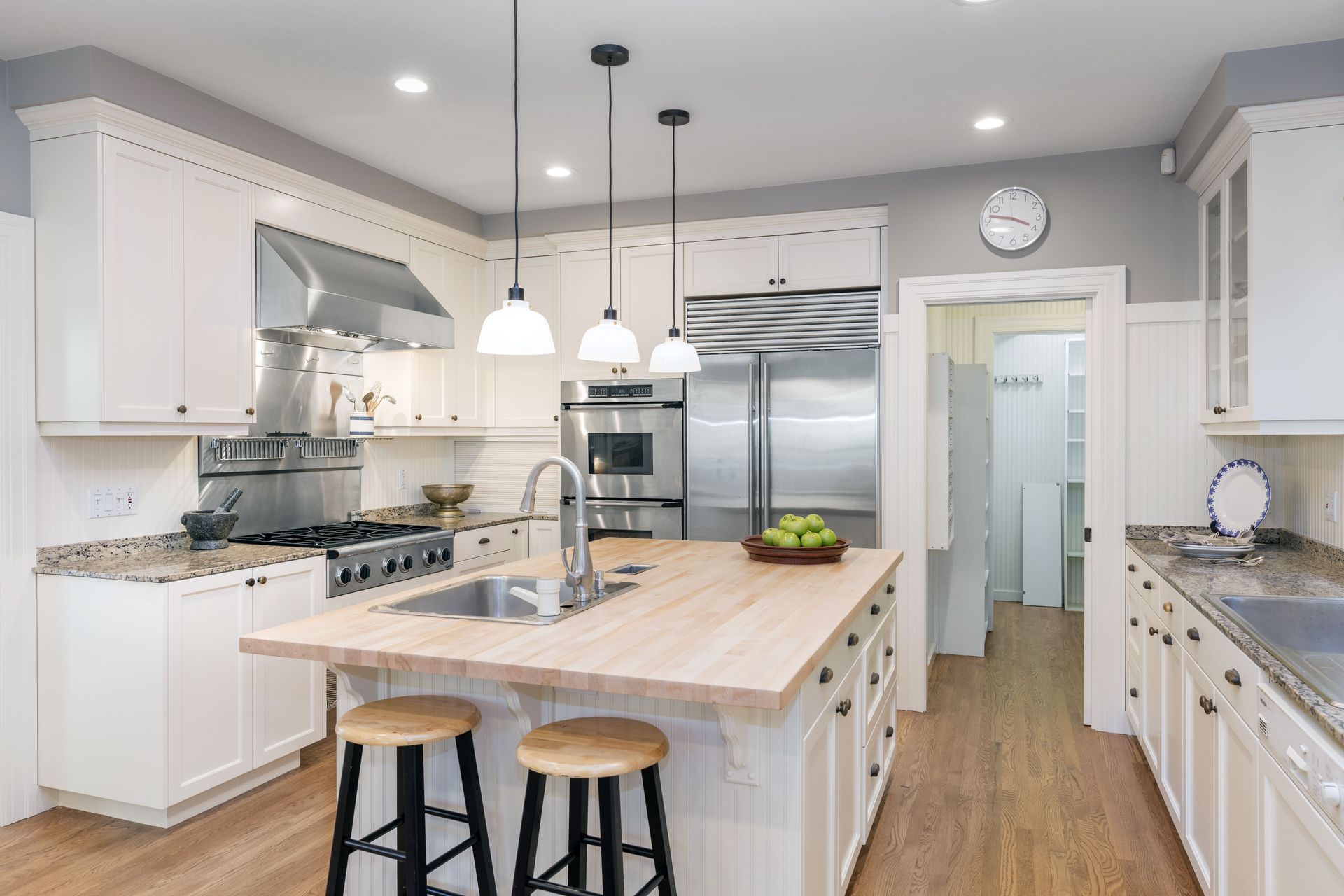
Maximizing the return on investment (ROI) for your home remodeling project involves focusing on improvements that will increase your home’s market value. Research indicates that kitchen remodels, bathroom upgrades, and energy-efficient installations typically offer high ROI. By choosing these types of improvements, you not only enhance your living space but also increase the potential resale value of your home. This is essential if you plan to sell within the next few years, as high-ROI projects can significantly affect your asking price. Ensuring your renovations align with buyer expectations and market demand is a smart investment strategy.
Understanding market trends in your area is another essential component when considering remodeling efforts. Renovations that are valued differently by local buyers might not offer the same returns elsewhere, so it’s crucial to research which trends and features are popular in your region. Consulting with local real estate professionals can provide valuable insights into what potential buyers are looking for and how you can tailor your remodeling efforts accordingly. Whether it’s open floor plans, smart home features, or sustainable materials, these professionals have a pulse on what attracts buyers in your market. This informed approach can guide you in making home remodeling decisions that are both financially and personally rewarding.
4. Strategically Plan Your Spending
A strategic approach to spending can effectively manage both project costs and quality. Begin by analyzing which aspects of your remodeling project require high-end materials and premium features versus where savings can be made. Avoid unnecessary luxuries unless they contribute to significant functional improvements or lifestyle benefits. Doing so ensures your budget focuses on value rather than vanity, leaving room for unexpected costs. Part of strategic planning involves considering the timing of your purchases, as materials bought during peak sales periods like Black Friday or annual clearance events can yield substantial savings.
Balance DIY efforts with professional help to cut costs without compromising on quality. Recognize your own skills and limitations to determine tasks you can perform personally. Painting, landscaping, or light fixture installations are projects that many homeowners can tackle themselves. Meanwhile, intricate work such as electrical, plumbing, or structural alterations should be left to licensed professionals. This balance not only saves money but also keeps your project safer and more compliant with local codes.
5. Safeguard Your Investment
Safeguarding your investment involves thorough research and due diligence from start to finish. Verify the credentials of any contractors you consider hiring to ensure they are licensed and insured, reducing legal and financial risks. Checking references and reviews can help you gauge the reliability and quality of the previous work they have completed. Protecting your home with adequate insurance coverage during renovations minimizes potential loss from mishaps such as accidental damage or theft of materials on-site. These proactive steps are essential for preserving your investment and maintaining peace of mind throughout the home remodeling process.
Understanding contracts and warranties is vital for clarity and protection in case issues arise with the workmanship or materials used. Take the time to read all contracts thoroughly to comprehend their terms, conditions, and any guarantees provided by the contractor. This understanding ensures that the expectations are clear and legally binding, preventing disputes. Additionally, check the scope of warranties to know what elements of the project are protected and for how long. A well-defined contract is your best defense against future challenges related to your remodeling efforts.
Paying for a home remodeling project doesn’t have to be complicated when you take a thoughtful and strategic approach. By understanding your budget, exploring financing options, prioritizing high-value improvements, and protecting your investment, you set yourself up for long-term success. Each decision you make throughout the process contributes to both the quality of your renovation and your financial well-being. With careful planning and informed choices, you can complete your project with confidence—creating a space you love while maintaining control over your expenses. Reach out to TNT Home Remodeling LLC to learn more about our services today.